
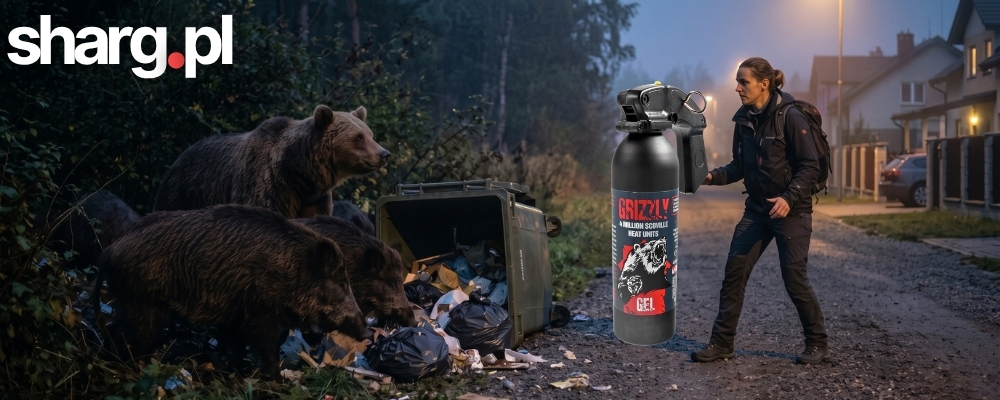
Why Do Wild Boars and Bears Come Close to People?
Wild boars and bears may venture into residential areas when they find easily accessible sources of food. Unsecured trash, food scraps, compost bins, or intentional feeding can encourage wild animals to return regularly to places associated with human activity.
This does not mean the animal is actively seeking contact with people. In most cases, it is simply looking for an easy source of food or moving through an area that forms part of its natural habitat.
The problem begins when an animal starts associating a particular location with a reliable food source and returns more and more frequently.
Key Takeaways from This Article
- Do not leave easily accessible food for wild animals.
- Secure trash containers and compost bins.
- Never intentionally feed wild boars, bears, or other wildlife.
- Do not leave food scraps behind while hiking, camping, or spending time outdoors.
- Exercise extra caution in areas inhabited by large wild animals.
- Treat protective spray as emergency equipment, not as a substitute for responsible behavior.
Why Do Wild Boars Appear in Cities and Residential Areas?
The boundary between urban areas and the natural habitat of wildlife is not always clearly defined. Parks, community gardens, undeveloped land, river valleys, green corridors, and wooded areas bordering residential neighborhoods all create routes that animals can use to move through populated areas.
Wild boars are highly adaptable foragers and can take advantage of many different food sources. In urban environments, easily accessible trash, discarded food, spilled pet food, and the contents of unsecured compost bins can be especially attractive.
If a particular location consistently provides food, an animal may begin incorporating it into its regular feeding route. For this reason, leaving food near homes and buildings can have consequences that extend far beyond a single encounter with a wild boar.
Why Might a Bear Appear Near Homes and Buildings?
Bears may also be attracted to easily accessible food. Properly securing trash, food products, and other items with odors that could attract an animal is therefore especially important.
This applies not only to residential areas but also to tourist destinations, parking areas, campsites, and facilities located near forests and mountain trails.
If a wild animal repeatedly finds food in the same location, it may begin returning there. Preventing these situations helps protect both people and wildlife.
In areas where bears are present, it is particularly important to follow local alerts, regulations, and guidance issued by authorities and land managers.
You Don't Feed Wildlife? You May Be Doing It Without Realizing It
Feeding wildlife is usually associated with intentionally leaving food out for animals. In practice, however, many other items can become food sources even when that was never the intention.
Common examples include:
- unlocked or unsecured trash containers and waste enclosures;
- trash bags left beside a dumpster or trash container;
- unsecured compost bins;
- dog or cat food left outdoors;
- food scraps discarded while hiking or camping;
- fruit or other food intentionally left for wild animals;
- leftover food near parking areas, rest stops, and trails.
From an animal's perspective, it makes little difference whether food was left intentionally. What matters is that it can be obtained easily.
| What Can Attract Wildlife? | Why Can It Be a Problem? | What Can You Do? |
|---|---|---|
| Open trash containers | They provide easy access to food waste | Keep containers securely closed and properly protected |
| Trash bags left beside dumpsters | An animal can tear them open and gain access to the contents | Do not leave trash outside designated, secured waste areas |
| Compost bins | They may contain organic waste that attracts wildlife | Restrict animals' access to compost bins |
| Pet food | Food left outdoors can become an easy meal for wildlife | Do not leave pet food unattended outside, especially overnight |
| Food scraps along trails | They can condition wildlife to search for food in areas frequently used by people | Pack out all trash and food waste |
How Can You Reduce Wildlife Visits Around Your Home and Property?
If your home, yard, or property is located near a forest, green space, or an area regularly visited by wild boars, it is worth inspecting the surroundings for potential food sources.
Proper waste management is the foundation of prevention. Trash container lids should remain securely closed, and garbage bags should never be left beside waste enclosures or dumpsters.
It is also important to pay attention to compost bins, pet food, and organic waste. If these remain easily accessible for extended periods, they can make a property considerably more attractive to wildlife.
If the problem affects an entire neighborhood or a larger area, the actions of one person may not be enough. Properly securing shared waste collection areas requires a coordinated effort throughout the community.
What Should You Check Regularly?
- whether trash container lids are securely closed;
- whether bags of trash have been left beside dumpsters;
- whether wildlife can access the compost bin;
- whether dog or cat food is being left outdoors;
- whether food scraps are regularly being left around the property;
- whether waste collection areas show signs of repeated visits by wildlife.
How Can You Avoid Attracting Wildlife While Hiking or Spending Time Outdoors?
The same basic rule applies outdoors as it does around your home: food and waste should never be left in areas frequented by wildlife.
Fruit peels, unfinished sandwiches, and other food scraps should not be tossed beside a trail simply because they are biodegradable. To a wild animal, they still represent a food source associated with an area regularly used by people.
Whenever possible, pack out all trash and dispose of it in an appropriate location. This is particularly important at forest parking areas, rest stops, scenic overlooks, and popular hiking routes.
If you are hiking with a dog, exercise additional caution. Keeping your dog under control reduces the risk that it will approach a wild animal that may be outside your line of sight.
Why Is Prevention More Important Than Equipment?
Safe behavior begins long before an encounter with a wild animal occurs. Securing trash, avoiding wildlife feeding, keeping your dog under control, staying aware of your surroundings, and following local advisories can all reduce the risk of a dangerous encounter.
Emergency protective equipment can provide an additional layer of preparedness when walking, working, or traveling in areas where encounters with aggressive animals are possible. However, it should never create a false sense of security or encourage anyone to approach wildlife.
If you want to learn how to respond during a direct encounter with a wild boar, bear, or other aggressive animal, detailed safety guidance and product information are available on the Sharg Grizzly – spray for wild boars and bears page.
This allows the two resources to serve different purposes. This article focuses primarily on preventing situations that can lead to human-wildlife conflicts, while the Grizzly product series page provides information on preparing for a direct encounter with an aggressive animal.
FAQ – Wild Boars and Bears Near People
The presence of wild boars may be influenced by easy access to food as well as the proximity of parks, forests, community gardens, green spaces, and other areas animals can use to move through developed environments. Unsecured trash and both intentional and unintentional feeding are particularly significant factors.
No. Regularly providing food can cause an animal to return to the same location and begin associating people with access to food. Wildlife should remain independent of intentional feeding by humans.
Yes, particularly if it contains easily accessible organic food waste. In areas visited by wild boars or other large animals, it is important to limit wildlife access to the contents of compost bins.
No. Even biodegradable food scraps can provide wildlife with a food source and encourage animals to spend time in areas regularly visited by people. The best practice is to pack out all waste.
No. A product intended for protection against aggressive animals should be treated as emergency equipment. Preventing confrontation, maintaining a safe distance, remaining aware of your surroundings, and following local safety guidance should always be your primary precautions.
A detailed guide covering direct encounters with aggressive animals, along with information about the product line, is available on the Sharg Grizzly – spray for wild boars and bears page.
Prepare Before an Encounter Becomes a Problem
The best protection starts with reducing the conditions that attract wildlife into areas used by people. Secure your trash, never leave food behind outdoors, do not feed wild animals, and check local information and advisories before heading into forests or mountain areas.
If you spend time in areas where you may encounter a large or aggressive animal, explore the Sharg Grizzly product line and our safety guide for encounters with wild animals.
Before using any protective product, always review its current label, intended use, and the manufacturer's instructions.